
Fish is known as a nutritious source of animal protein that is highly beneficial for health. However, not all fish are safe to consume daily. Certain types of fish—especially those living in deep oceans or polluted waters—are at risk of containing mercury, a toxic heavy metal that can damage the nervous system, particularly in children and pregnant women.
To ensure the health benefits of fish do not turn into a threat, it is important to understand the impact of mercury on the body and how to choose safe fish for consumption.
What Is Mercury and Where Does It Come From?
Mercury is a natural heavy metal that can contaminate water and enter fish through the food chain. Industrial activities, mining waste, and coal burning are the primary sources of mercury pollution in aquatic environments.
Once mercury enters the water, bacteria convert it into methylmercury—the most toxic form that is easily absorbed by fish. Small fish consume it, larger fish eat the smaller ones, and mercury accumulates in their bodies. The bigger and older the fish, the higher the mercury content in their flesh.
How Does Mercury Affect the Brain and Nervous System?
Mercury can cross the blood–brain barrier and accumulate in central nervous tissue. In the body, this metal disrupts communication between nerve cells and damages the brain’s metabolic functions.
Its effects can be severe, especially with long-term exposure:
- Reduced memory and concentration
- Tremors or shaking in the hands
- Impaired coordination and balance
- Mood changes or depression
For fetuses and young children, the impact is far more serious: mercury exposure during pregnancy has been proven to hinder the development of the baby’s brain and nervous system, affecting speech, learning, and cognitive abilities.
Fish with a High Risk of Mercury Contamination
Several large ocean fish typically contain higher levels of mercury because they are at the top of the food chain, such as:
- Large tuna
- Sharks
- King mackerel
- Swordfish
- Marlin
Although nutritious, these fish should be consumed in limited amounts, especially by children and pregnant women.
Choose Safe, Low-Mercury Freshwater Fish
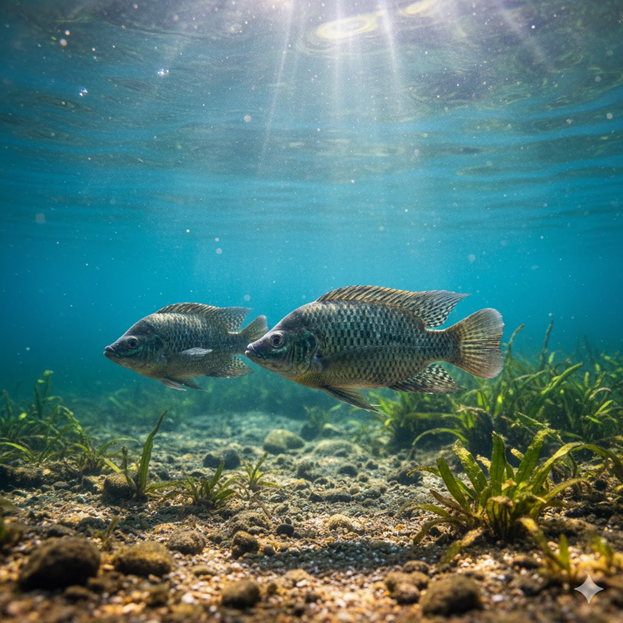
Freshwater fish raised in clean, controlled environments—such as tilapia—have extremely low mercury levels. Tilapia grows quickly, lives at the bottom of the food chain, and consumes safe natural feed, making it a smart choice for daily consumption.
In addition, tilapia is rich in protein, vitamin D, and minerals like potassium and calcium, which are essential for maintaining brain function, nerve health, and overall metabolism.
Regal Springs Indonesia: Safe, Clean, and Responsible Tilapia
At Regal Springs Indonesia, tilapia is raised in the pristine natural waters of Lake Toba, with strict oversight of feed and farming practices.
Every step—from growth and harvesting to processing—is carefully monitored to ensure each fish is free from chemicals and harmful heavy metals such as mercury.
With this commitment, Regal Springs Indonesia provides safe tilapia for the whole family, from children to the elderly.
Be Smart in Choosing Your Food
Eating fish is important for health, but we must also be selective. Mercury exposure from contaminated fish can disrupt the nervous system, brain function, and child development, especially if consumed continuously.
By choosing low-mercury fish such as tilapia from Regal Springs Indonesia, you can enjoy the nutritional benefits of fish without the risks of toxic heavy metals. This small step not only protects your health but also supports a healthier and smarter future for your family.