Having a flatter stomach is one of the most sought-after fitness goals. It’s no wonder that various types of workouts designed to flatten the stomach continue to be popular on social media, ranging from the plank challenge and HIIT to 10–15-minute core workouts.
However, it’s important to understand that no exercise can directly burn fat only in the abdominal area (spot reduction). Reducing waist circumference requires a combination of physical activity, a balanced diet, adequate rest, and consistency in following through.
If you’re just starting your journey toward a healthier body, here are a few things to keep in mind.
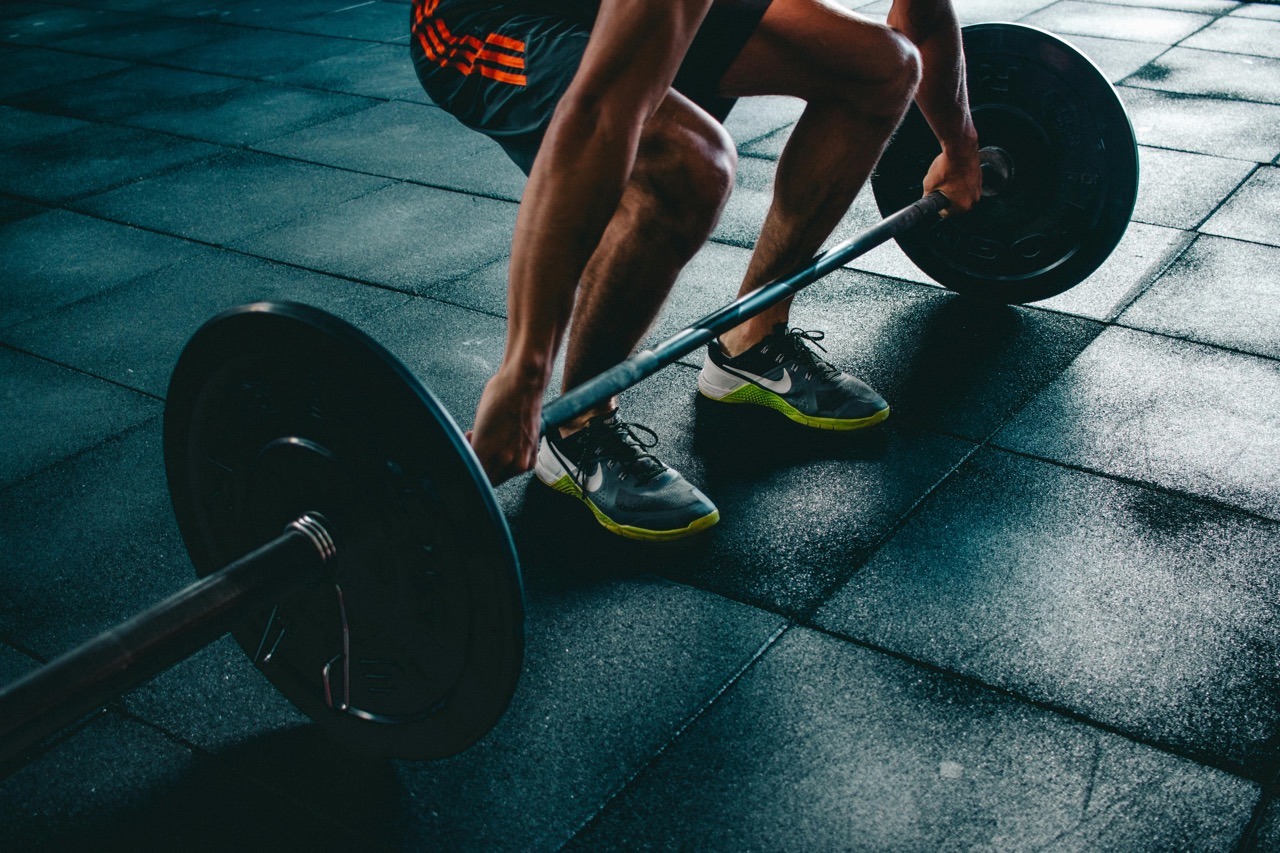
Focus on Exercises That Engage Multiple Muscle Groups
Many people think doing hundreds of sit-ups every day is the fastest way to flatten their stomach. In reality, exercises that engage multiple muscle groups tend to help the body burn more energy.
You can combine the following exercises into a single workout session:
- Squats
- Lunges
- Push-ups
- Planks
- Mountain climbers
- Burpees (as much as you can manage)
Work out for 20–40 minutes three to five times a week. If you’re a beginner, start at a low intensity and gradually increase it.
Don’t Forget Cardio
In addition to strength training, cardio is also an important part of a weight-loss program.
Brisk walking, cycling, swimming, or jogging can help increase your daily energy expenditure. You don’t have to jump right into intense workouts. The most important thing is to choose activities you can do consistently.
Combining strength training and cardio generally yields better results than focusing on just one type of exercise.
Protein Helps Support Your Exercise Program
Exercise alone isn’t enough if you’re not paying attention to your diet.
After exercising, your body needs protein as part of the process of maintaining and repairing muscle tissue. Meeting your protein needs also helps ensure a nutritionally balanced diet while you’re following a fitness program.
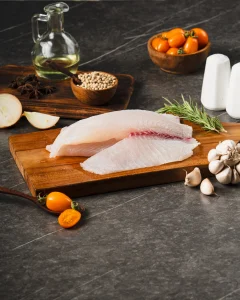
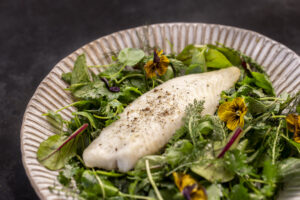
One excellent source of protein is tilapia fillet. According to the latest laboratory test results, every 100 grams of tilapia contains 19.52 grams of protein, 2.03 grams of fat, and approximately 105.79 kcal of energy. Tilapia also contains vitamin D and potassium, which can be incorporated into your daily diet.
Pay Attention to What’s on Your Plate, Not Just the Calories
Many people focus too much on counting calories but overlook the quality of the food they eat.
To ensure your nutritional needs are met, try to make sure each meal includes:
- A source of protein.
- A moderate amount of carbohydrates.
- A sufficient portion of vegetables.
- Fruit as a side dish.
This type of diet helps your body get the various nutrients it needs while following an exercise program.
If you need inspiration for healthy tilapia-based meals, Regal Springs Indonesia offers a variety of recipes you can try at home: https://regalsprings.co.id/en/resep-tilapia/.
Rest Is Also Part of the Process
Many people are eager to exercise every day without giving their bodies time to rest.
In fact, muscles need time to recover after a workout. In addition, lack of sleep can make the body feel more easily fatigued, resulting in less-than-optimal physical performance.
Aim to get about 7–9 hours of sleep every night so your body has enough time to recover.
Choose High-Quality Food Products
In addition to paying attention to nutritional content, the quality of food products should also be a consideration.
Regal Springs Indonesia responsibly farms tilapia in natural lakes without the use of antibiotics or preservatives. The entire farming process prioritizes quality, traceability, and sustainable practices, resulting in high-quality Naturally Better Tilapia.
You can learn more about Regal Springs Indonesia’s commitment to sustainable farming practices at: https://regalsprings.co.id/keberlanjutan/#bluefood.
Consistency Is More Important Than Perfection
Flattening your stomach isn’t the result of a single type of exercise or a single type of food. The desired results are generally achieved through a combination of regular exercise, a balanced diet, adequate rest, and healthy habits maintained over the long term.
Instead of looking for a quick fix, start with simple steps that you can do consistently. That way, you’re not just pursuing a change in body shape, but also building a healthier lifestyle overall.