A few years ago, healthy eating was synonymous with salads, chicken breasts, and calorie counting.
Today, the definition is changing.
Modern consumers, especially active generations like millennials and Gen Z, are starting to view wellness as a more personalized, realistic, and sustainable lifestyle. They’re not just looking for low-calorie foods, but also foods that:
- help them stay fit,
- are easy to consume daily,
- taste good,
- have real benefits,
- and are backed by reliable quality.
Amidst this shift, seafood is gaining popularity as one of the most relevant protein sources for the modern wellness lifestyle.
Wellness Is Now More Than Just a Diet
According to McKinsey’s “Future of Wellness” research, wellness has now become a top priority for many global consumers. In fact, the majority of consumers want products that are science-based, have real benefits, and support long-term health.
This means people are now asking more than just: “Is this low-calorie?” but also:
- Is this protein good for the body?
- Is it practical for daily routines?
- Does it help with performance and energy?
- Is the quality reliable?
- How is it produced?
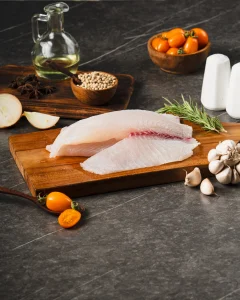
- And seafood, especially white fish like premium tilapia, is starting to address this need.
Protein Remains Important, But Now It Must Be “Functional”
In the latest wellness trends, protein is no longer just a gym nutrient.
Protein is now considered part of functional nutrition, foods that provide additional benefits for the body, such as:
- helping you feel full longer,
- supporting recovery,
- maintaining muscle mass,
- providing daily energy,
- and even supporting healthy aging.
Therefore, modern consumers are becoming more selective in choosing their protein sources. They tend to look for proteins that are:
- high in nutrients,
- low in excess fat,
- easily digestible,
- and convenient to consume every day.
Tilapia is one example of a lean protein that is increasingly relevant to these needs.
In various Regal Springs Indonesia health talk materials, tilapia is described as a source of high-quality protein with low fat content, complete with vitamins, minerals, and essential amino acids.
Modern Consumers Want Practical Healthy Food
Modern wellness is also closely related to a realistic healthy lifestyle. People want to live a healthy life, but still practical.
Dr. Dase Hunaefi from IPB explained that modern healthy food is not just about nutrition, but also:
- safe,
- balanced,
- practical,
- easy to prepare,
- and easy to incorporate into daily routines.
This is one reason seafood is becoming increasingly popular. Modern fish fillets, such as premium tilapia are:
- quick to cook,
- flexible for various menus,
- easy to incorporate into meal prep,
- and suitable for busy lifestyles.
From rice bowls and grilled fillets to air fryer menus and protein salads, seafood is now increasingly easy to incorporate into daily diets.
Consumers Start to Pay Attention to “Clean Eating”
Beyond nutrition, consumers are now more concerned about food quality. They are starting to look for products that are:
- antibiotic-free,
- free of excess chemicals,
- traceable,
- and responsibly produced.
Regal Springs Indonesia emphasizes tilapia cultivation in natural lakes with a responsible aquaculture approach and full traceability.
Regal Springs also explains that Naturally Better Tilapia is cultivated without antibiotics, preservatives, and growth hormones.
This is increasingly important because modern wellness consumers aren’t just buying food, they’re also buying security and transparency.
Taste Remains a Key Factor
Despite the rise in wellness, one thing remains unchanged: people still crave delicious food. Therefore, modern seafood that has found acceptance in the market typically has:
- a clean taste,
- a pleasant texture,
- a lack of excessive fishiness,
- and is easily accepted by a wide range of consumers.
Premium tilapia is gaining popularity due to its mild flavor and lack of a muddy odor. This makes it more acceptable even to people who previously rarely ate fish.
Seafood Is No Longer Seen as a “Diet Food”
Interestingly, seafood is also beginning to undergo a repositioning. Previously, fish was often viewed as:
- a diet food,
- hospital food,
- or “too healthy.”
Now, seafood is entering the modern lifestyle food category.
Even globally, premium tilapia is being positioned as a modern whitefish alternative amidst the supply challenges of cod and sea bass.
This means that seafood is no longer just a healthy choice, but also part of the future protein consumption trend.
Modern Wellness Also Talks About Sustainability
Consumers are now increasingly aware that wellness is not just about the body, but also about the environment and food sustainability.
In the World Tilapia Conference abstract, tilapia was cited as having a lower carbon footprint than many land-based proteins and as being one of the more sustainably efficient proteins.
Therefore, responsibly produced seafood is starting to gain greater attention from modern consumers.
More Than Healthy
Amidst the growing wellness trend, modern consumers are looking for more than just “healthy” food. They are looking for daily protein that is:
- nutritious,
- convenient,
- clean,
- tastes great,
- easy to cook,
- transparent in origin,
- and remains relevant to an active lifestyle.
And that’s why seafood, especially white fish like premium tilapia, is gaining popularity as part of a modern healthy lifestyle.