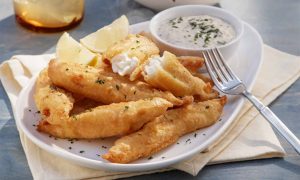
High-protein foods are attracting increasing attention, from healthy restaurant menus and catering services to convenient meal options for consumers with active lifestyles. This trend is also prompting food industry players to reassess the ingredients they use, considering not only flavor but also nutritional value, ease of preparation, and quality consistency.
For foodservice businesses, this shift creates opportunities to develop a wider variety of protein-based menu options. One ingredient worth considering is fish, including King Tilapia from Regal Springs.
In addition to being recognized as a source of protein, King Tilapia offers white flesh, a mild flavor, and portion sizes designed to meet the needs of professional kitchens.
Why Are High-Protein Menus Becoming More Appealing?
Protein has become an important consideration for consumers when choosing what to eat. Growing interest in fitness, balanced diets, and daily nutritional needs is helping drive demand for high-protein menu options.
In an article published by Tyson Foodservice in March 2026, 61% of surveyed consumers expressed interest in foods carrying high-protein claims. However, only 38% of foodservice operators actively offered or promoted this attribute. These findings indicate an opportunity for restaurants and foodservice providers to develop offerings that address consumer needs.
For foodservice businesses, this trend can be put into practice through several approaches:
- Developing main courses with a wider variety of protein sources.
- Offering food options that suit modern consumer needs.
- Communicating nutritional content clearly and accurately.
- Ensuring ingredients remain practical to prepare and consistent for kitchen operations.
Nevertheless, high-protein menus should remain part of a balanced diet rather than focusing solely on maximizing the protein figures displayed on labels or menus.
Fish as a Protein Source for Modern Menus
Fish can be one of the animal protein options used to expand menu variety. In addition to high-quality protein, fish can provide various other nutrients, although its nutritional composition differs depending on the species and product type.
A joint FAO and WHO expert consultation published in 2024 concluded that fish consumption provides energy, protein, and various nutrients essential for health. The benefits and impacts still depend on the type of fish, consumer characteristics, and overall dietary patterns.
For restaurants, hotels, catering companies, and other food providers, fish also offers flexibility in menu development, ranging from grilled and steamed dishes to meals inspired by Asian and Western cuisines.
One important consideration is choosing fish that not only suits the menu concept but also has specifications that support production and serving requirements.
What Makes King Tilapia Appealing for Foodservice?
For professional kitchens, choosing fish involves more than its nutritional content. Size, texture, cooking yield, and specification consistency also influence how ingredients are used in daily operations.
King Tilapia is developed as a premium category with quality criteria covering fish size, farming practices, processing, animal welfare, and culinary performance.
Several King Tilapia characteristics relevant to foodservice include:
Thicker loins: King Tilapia Loins have a minimum thickness of 19 mm, supporting specific portioning and presentation requirements.
Clearly defined size specifications: Loins have a minimum weight of 106 grams or 3.8 oz, while fillets have a minimum weight of 5 oz, based on Regal Springs’ King Tilapia specifications.
Cooking performance: King Tilapia Loins have a cooking yield criterion of more than 85%, measured from fresh loins or frozen products that have been thawed according to procedure and cooked until done.
Mild flavor: Their clean, mild flavor makes them versatile enough to pair with a variety of seasonings, sauces, and cooking styles.
Texture and appearance: The product is designed to have firm flesh and a bright white color after cooking.
These specifications are based on Regal Springs’ King Tilapia product materials and should be interpreted according to the definitions and testing methods used. In practice, the final results are still influenced by handling, storage, thawing, and cooking techniques.
From Healthy Menus to Business Considerations
The high-protein trend can certainly inspire menu development, but purchasing decisions for foodservice businesses must also account for operational and economic factors.
Several aspects can be evaluated when selecting fish for high-protein menus:
Portion suitability: Do the fillet or loin sizes match the portion standards the business intends to offer?
Cooking yield: How much product remains after cooking, and how does this affect the cost per serving?
Quality consistency: Can the size, texture, and cooking results repeatedly meet kitchen standards?
Menu flexibility: Can the ingredient be used in several different dishes?
Supply reliability: Can the supplier support the business’s production requirements and operating schedule?
By considering these factors, restaurants and foodservice providers can evaluate ingredients based on their overall value in use, rather than just the purchase price per kilogram.
King Tilapia Menu Ideas
King Tilapia’s mild flavor and versatility give chefs room to develop a variety of menu options. Some ideas worth exploring include:
Grilled King Tilapia: Served with vegetables and a source of carbohydrates for a balanced main course.
King Tilapia Rice Bowl: Paired with rice, vegetables, and a signature sauce for a quick-service dining concept.
King Tilapia Fish Tacos: Made with pieces of fish, fresh vegetables, and a complementary sauce.
King Tilapia with Herb Sauce: A Western-style menu option featuring herbs and vegetable sides.
King Tilapia Bento: A convenient meal alternative for catering services, cafeterias, and corporate foodservice.
Each menu idea should still be tested for suitability based on portion size, cooking techniques, serving requirements, and target consumer preferences.
Conclusion
The high-protein food trend creates opportunities for foodservice businesses to develop more varied menus that are relevant to consumer needs. Fish is one option worth considering because it can provide protein while offering flexibility in dish creation.
With a protein content of 19.52 grams per 100 grams in a tested raw fish sample, along with loin specifications emphasizing thickness, size, and cooking performance, King Tilapia can be one ingredient option for restaurants, hotels, catering companies, and professional foodservice providers.
Ultimately, an appealing high-protein menu is about more than nutritional content. Ingredient quality, the dining experience, consistency of results, and operational feasibility also determine whether a menu can be sustained over the long term.
To learn more about the product and its characteristics, visit the King Tilapia page from Regal Springs and the main product page of Regal Springs Indonesia.