Healthy eating is no longer just about reducing sugar or choosing low-calorie foods. Greater attention is also being paid to nutritional composition, including protein intake, as part of current food trends. Restaurants, cafés, catering businesses, and other foodservice providers have an opportunity to respond to this shift by offering menus that remain delicious, practical, and nutritious.
Amid this trend, fish is one food ingredient worth considering. In addition to providing protein, fish offers flexibility in menu development, ranging from home-style dishes to modern restaurant offerings.
1. Healthy Eating Is Evolving, and Protein Is Gaining More Attention
A healthy diet should not focus on just one nutrient. The World Health Organization (WHO) emphasizes the importance of an adequate, balanced, diverse, and moderate diet. This means the body needs a combination of protein, carbohydrates, fats, vitamins, minerals, and fiber from various food sources.
However, protein has a particular appeal in today’s food conversations. This nutrient is essential for building and maintaining muscle, as well as supporting various bodily functions.
A Tyson Foodservice report on high-protein trends, published in March 2026, noted that 61% of surveyed consumers were interested in foods marketed as high in protein. The same report stated that 38% of foodservice operators were actively offering or promoting high-protein attributes.
These figures come from the survey context referenced by Tyson Foodservice and should not be directly interpreted as representative of all Indonesian consumers. Nevertheless, the findings offer insight into the opportunities for foodservice businesses to consider protein as part of their menu development strategies.
2. Why Is Fish Suitable for High-Protein Menus?
Fish can be one of several animal-based protein sources in a diverse diet. The type of fish, cut, cooking method, and serving size all influence the nutritional content of the final dish.
Rather than focusing solely on protein figures, foodservice businesses can also consider the advantages of fish in terms of preparation and the dining experience, including:
- Versatile for various menus. Fish can be grilled, steamed, sautéed, or fried, and paired with local or international seasonings.
- Easy to combine with other foods. Fish can be served with rice, vegetables, potatoes, grains, or other fiber sources to create more varied meals.
- Offers a range of flavor profiles. Each fish species and cut has its own flavor, texture, and preparation requirements.
- Suitable for different market segments. Fish dishes can be offered as family meals, rice bowls, sandwiches, catering menus, and premium dishes.
For restaurants and foodservice providers, this versatility creates opportunities to develop menus that follow current trends without always having to introduce entirely new ingredients.
3. Exploring the Nutritional Potential of King Tilapia
One option worth considering is King Tilapia from Regal Springs. This product is developed according to quality standards that emphasize cut size, texture characteristics, and cooking performance.
To provide an overview of fish nutrition, a laboratory report on a Raw Tilapia Fish sample recorded the following nutritional content per 100 grams of sample:
This information can serve as an initial reference when menu development teams determine dish compositions. When making nutritional claims on packaging or commercial menus, use data that accurately reflects the product and the portion actually served.
4. From Nutritional Content to the Dining Experience
A high-protein menu needs more than an appealing protein figure. Consumers still consider taste, texture, appearance, price, and how easy the dish is to enjoy.
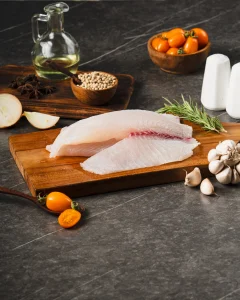
This is where ingredient quality plays an important role. King Tilapia has a clean, mild flavor, a firm texture, and loin cuts designed to deliver greater thickness and consistency.
According to King Tilapia product specifications, the loin has a minimum weight of 106 grams or 3.8 ounces, with a minimum thickness of 19 mm. The specifications also establish a cooking yield of more than 85% of fresh loin or properly thawed and deglazed frozen loin when converted into a cooked product.
These specifications are relevant to professional kitchens because they help culinary teams evaluate portion sizes, cooking yield, and dish presentation. However, actual results still depend on the condition of the raw ingredients and the preparation techniques used in the kitchen.
5. Menu Opportunities for Restaurants and Foodservice
Healthy eating and high-protein trends can be translated into menu offerings that feel familiar while remaining appealing to customers.
Some ideas worth exploring include:
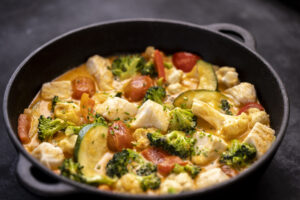
- King Tilapia Rice Bowl: Grilled fish served with rice, vegetables, and a sauce of choice.
- King Tilapia with Indonesian Seasonings: Fish prepared with sambal matah, yellow spice paste, or grilled spices.
- King Tilapia Fish Sandwich: Fish with a texture suitable for sandwiches, complemented by vegetables and sauce.
- King Tilapia Set Meal: Fish as the primary protein source, paired with carbohydrates and vegetables.
For each concept, product development teams need to determine portion sizes, cooking methods, side-dish compositions, and nutritional information based on the final recipe. This ensures that the “high-protein” message is not merely a marketing trend but is also supported by a measurable menu formulation.
6. What Should Be Considered When Choosing Fish Ingredients?
For chefs, procurement teams, and foodservice managers, choosing fish involves more than nutritional content. The raw ingredients must also meet operational requirements.
Several factors to consider include:
- Cut size and specifications: Do they meet the menu’s portioning and presentation standards?
- Cooking performance: How do the texture, shrinkage, and final yield change after cooking?
- Quality consistency: Can the ingredients support consistent dish quality?
- Supply availability: Can the supplier meet ongoing operational needs?
- Menu flexibility: Can the ingredients be used across several dish concepts?
By considering these aspects, businesses can evaluate ingredients more comprehensively rather than relying solely on price or nutritional claims.
From Healthy Eating to High-Protein
The shift from healthy eating toward high-protein diets shows that food choices increasingly involve both nutritional composition and the overall dining experience. Fish is relevant to this development because it provides protein and can be prepared in a wide variety of dishes.
For foodservice businesses, the opportunity lies in combining suitable ingredients, balanced menu formulations, and an appealing dining experience. King Tilapia can be one option for this exploration, particularly when cut size, texture, and cooking performance are important parts of kitchen standards.
Ultimately, a good menu is not simply one labeled high-protein. It is a dish that meets customer needs while remaining practical for foodservice businesses to prepare consistently.