Protein is becoming an increasingly prominent topic in conversations about modern food. From healthy restaurant menus to convenient meals for workers and active consumers, the demand for high-protein food options is creating new opportunities for the foodservice industry.
For restaurants, hotels, catering companies, and food providers, this trend is not simply a reason to add a “high-protein” label to their menus. The challenge is to offer appealing dishes with clear nutritional value that can still be prepared consistently and efficiently.
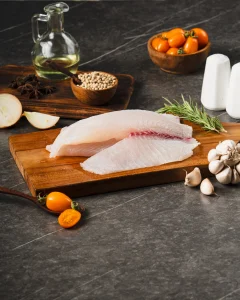
One ingredient worth considering is fish, including King Tilapia from Regal Springs, which features white flesh, a mild flavor, and cut specifications designed to support a variety of professional kitchen needs.
Why Are High-Protein Menus Receiving More Attention?
Consumer interest in protein has expanded from the needs of specific groups into a broader food trend. Awareness of protein’s role in maintaining muscle mass, supporting feelings of fullness, and meeting daily nutritional needs also influences menu choices.
An industry article reported that 61% of surveyed consumers were interested in foods carrying high-protein claims, while 38% of foodservice operators actively offered or promoted this attribute. These figures indicate an opportunity for food businesses to develop options that consumers can easily identify.
These figures come from a survey reported within the context of the market studied, so they do not automatically represent all consumers in Indonesia. Nevertheless, the trend can serve as a reference for understanding the direction of menu innovation in the food industry.
For foodservice businesses, several approaches are worth considering:
- Providing a wider variety of protein options.
- Displaying nutritional information clearly and accurately.
- Developing convenient menus without compromising dish quality.
- Balancing nutritional needs, taste, price, and the dining experience.
What Role Does Fish Play in High-Protein Menus?
Fish is one source of animal protein that can help expand menu variety. In addition to protein, certain fish species also provide other nutrients, such as vitamins, minerals, and omega-3 fatty acids, with amounts varying by species and product.
According to the Food and Agriculture Organization’s (FAO) The State of World Fisheries and Aquaculture 2026 report, global fisheries and aquaculture production reached a record 235 million tonnes in 2024, including approximately 195 million tonnes of aquatic animals. Aquaculture production of aquatic animals also exceeded 100 million tonnes for the first time. These figures demonstrate the significant role of aquaculture in meeting global food needs.
For foodservice businesses, fish offers several practical advantages:
- Menu variety: It can be served grilled, steamed, or fried, or incorporated into rice bowls, sandwiches, and Western-style main courses.
- Flavor flexibility: The mild flavor of certain fish makes them easy for chefs to pair with local and international seasonings.
- An alternative protein source: Fish provides another option for customers who want to diversify their animal protein intake.
- Menu development opportunities: Fish can be used in casual dishes, premium meals, and ready-to-eat food products.
FAO also highlights the contribution of aquatic foods to food security, nutrition, and global food systems. However, production development must be accompanied by responsible management to ensure these benefits can be sustained over the long term.
King Tilapia as an Ingredient for Modern Menus
King Tilapia can be an option for businesses looking to develop fish protein-based menus with premium characteristics.
In Regal Springs’ laboratory testing, a raw tilapia fish sample was recorded as containing 19.52 grams of protein per 100 grams, with total energy of 105.79 kcal and total fat of 2.03 grams per 100 grams.
Beyond its nutritional value, King Tilapia has several characteristics relevant to professional kitchen requirements:
- A minimum loin thickness of 19 mm, according to King Tilapia Loins product specifications.
- A minimum loin weight of 106 grams or 3.8 oz, with a minimum fillet weight of 5 oz, based on product specifications.
- A cooking yield of more than 85% for fresh loins or frozen products that have been thawed according to procedure and cooked until done.
- A clean, mild flavor that pairs well with a variety of sauces, spices, and cooking styles.
- Firm texture and a bright white appearance after cooking, in line with the quality characteristics established for the product.
From Protein Trends to Foodservice Menu Opportunities
Growing interest in protein gives restaurants and food providers an opportunity to reassess their ingredient choices. However, high-protein menus cannot rely on nutritional figures alone. Dishes must also be appealing in terms of taste, presentation, price, and operational convenience.
King Tilapia can be explored in several menu concepts, including:
1. Grilled King Tilapia Bowl
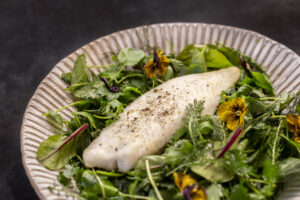
Grilled fish loins or fillets served with rice, vegetables, and a choice of sauce. This format can be adapted for casual restaurants, cafeterias, or corporate dining services.
2. King Tilapia with Indonesian Seasonings
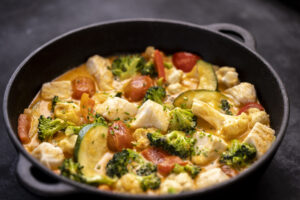
Fish can be paired with sambal matah, yellow spice paste, roasted spices, or regional signature sauces to create dishes featuring local flavors.
3. King Tilapia Fish Sandwich
Fillet portions can be developed into fish sandwiches or burgers, accompanied by vegetables and sauces that suit the restaurant’s concept.
4. King Tilapia Set Meal
Fish served with vegetables and a carbohydrate source can provide a convenient main-course option for hotels, catering companies, and institutional foodservice providers.
These concepts are menu development ideas, not claims that any particular format will necessarily be preferred by consumers. Each idea still needs to be tested against customer preferences, cost per serving, and kitchen operational capabilities.
What Should Buyers Consider Before Choosing Fish?
For procurement teams and foodservice operators, the high-protein trend also needs to be translated into concrete business considerations.
Several important factors can be evaluated, including:
With this approach, buyers can assess fish based not only on the purchase price per kilogram but also on its practical use, processing yield, and consistency in daily operations.
High-Protein Menus Present a Major Opportunity
The high-protein menu trend creates opportunities for the foodservice industry to offer more diverse food options that meet the needs of modern consumers. Fish can play an important role as a protein source while providing flexibility for developing menus with a variety of flavors.
With its white flesh, mild flavor, and measurable cut specifications and cooking performance, King Tilapia from Regal Springs can be one ingredient option for fish protein-based menus in restaurants, hotels, catering companies, and other foodservice businesses.
Ultimately, the success of a high-protein menu depends not only on its nutritional content but also on a business’s ability to combine taste, ingredient quality, value per serving, and operational consistency.
To learn more about the product’s characteristics, visit the King Tilapia page from Regal Springs and the Main Products page of Regal Springs Indonesia.