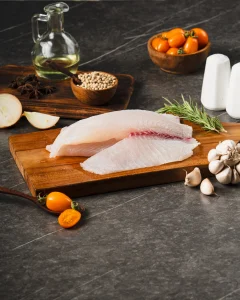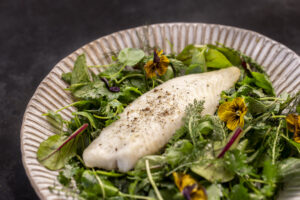
Tilapia, or Nile tilapia, is one of the most widely consumed freshwater fish in the world. Its neutral flavor, ease of preparation, and relatively affordable price make it a protein choice for a variety of dishes.
However, with the development of the modern seafood industry, tilapia quality is no longer viewed equally. Clear distinctions are now emerging between premium and conventional tilapia, ranging from cultivation methods, flavor quality, meat texture, and food safety standards.
This distinction is becoming increasingly important as modern consumers seek not only delicious fish but also safe, consistent, and responsibly produced fish. So, what are the differences between premium and conventional tilapia?
1. The Cultivation Environment Significantly Affects Fish Quality
The quality of tilapia is greatly influenced by the environment in which the fish are raised.
Premium tilapia is generally cultivated in natural waters that are cleaner, deeper, and have good water circulation. This environment helps maintain stable water quality, allowing the fish to grow healthier and more naturally.
At Regal Springs Indonesia, tilapia is cultivated in Lake Toba using a floating net cage system in open water. The oxygen-rich lake conditions and natural water flow help produce fish of more consistent quality.
In contrast, conventional tilapia is typically farmed in ponds or fish farms where environmental conditions can vary widely. If water quality is not maintained properly, this can affect the aroma, texture, and even the final quality of the fish after cooking.
Therefore, the farming environment is a key foundation in producing premium tilapia.
2. Cleaner Taste and Less Muddy Odor
One of the most easily perceived differences by consumers is the aroma and taste of the fish.
Conventional tilapia can sometimes exhibit a strong earthy or muddy aroma, especially after cooking. This aroma usually stems from the farming environment and the quality of the water where the fish live.
Premium tilapia is designed to minimize these characteristics.
Because it is raised in cleaner, less muddy waters, premium tilapia has a milder, cleaner, and fresher flavor. The fish also do not forage in the mud, resulting in a more neutral final flavor.
This flavor characteristic makes premium tilapia more versatile for use in a variety of dishes, from Indonesian cuisine and Asian cuisine to Western dishes such as grilled fish or baked fillets.
For many consumers, especially those who previously disliked freshwater fish, this difference in taste is a significant factor.
3. Dense and Consistent Meat Texture
Besides taste, texture is an important factor that differentiates premium tilapia from regular tilapia.
Premium tilapia generally has a firmer, denser meat texture, yet remains tender when eaten. This texture results from a combination of a good farming environment, quality feed, and more controlled fish handling.
In premium categories like King Tilapia, the size of the fish is specifically selected to produce a thicker loin with a more stable meat structure during cooking.
This is especially important for:
- grilled,
- pan-seared,
- air-fried,
- and modern restaurant menus that require the fillet to remain intact after cooking.
In contrast, with conventional tilapia, the meat texture can be softer or fall apart easily due to inconsistent farming and handling.
For the culinary industry, consistency of texture is crucial because it affects plating quality and the consumer’s dining experience.
4. Stricter Farming and Production Standards
Another significant difference lies in the production system.
Premium tilapia is typically produced through a more integrated system with quality control at every stage of production.
From hatchery production,
- fish genetic selection,
- feed formulation,
- fish health monitoring,
- harvesting,
- and fillet processing, all processes are conducted to a higher standard.
This approach helps maintain consistent fish quality from the start until the product reaches consumers.
Furthermore, an integrated production system also allows for better traceability, ensuring a clearer understanding of the product’s origin.
This is becoming increasingly important in the modern marketplace as consumers increasingly care about food transparency and the quality of the products they consume.
5. Greater Focus on Food Safety
When choosing seafood, food safety is now a primary concern for many consumers.
Premium tilapia is generally produced with stricter food safety standards than conventional products.
Therefore, premium products typically commit to:
- antibiotic-free,
- growth hormone-free,
- preservative-free,
- and more controlled use of chemical additives.
Furthermore, the production process is supported by international certifications and standards related to:
- food safety,
- responsible aquaculture,
- traceability,
- and sustainability.
These standards are crucial to ensure that the product consumed is not only delicious, but also safe and responsibly produced.
6. Finished Product Consistency: Key Value
Consistency is one of the biggest differentiators between premium tilapia and regular tilapia.
In premium products, fillet size, meat color, thickness, and flavor quality are maintained consistently.
This is especially important for:
- restaurants,
- hotels,
- catering,
- healthy meal providers,
- and modern retailers, all of which require reliable quality standards.
That’s why premium tilapia typically has a clearer grading or quality classification system than conventional tilapia.
With more consistent quality, consumers can also enjoy a better dining experience over time.
Premium Tilapia Represents the Development of Modern Seafood
Today, tilapia is no longer just an ordinary freshwater fish.
Advances in cultivation technology, increasing food safety standards, and consumer demand for higher-quality products have made premium tilapia a distinct category of modern seafood.
From a cleaner taste, better texture, more consistent quality, to more responsible farming, all are part of the value offered by premium tilapia.
Because ultimately, seafood quality is determined not only by the type of fish, but also by how it is raised and processed.