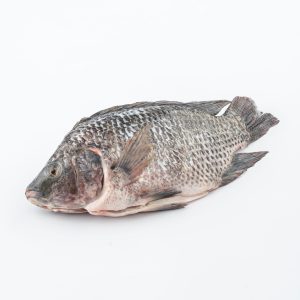
In many everyday meals, fish is often served as a side dish alongside rice. However, in modern culinary trends, fish has much greater potential: it can become a premium main course that highlights flavor, texture, cooking techniques, and the overall dining experience.
This shift creates opportunities for restaurants, hotels, and foodservice businesses to develop fish-based menus that are not only delicious but also offer added value through ingredient quality, serving consistency, and customer appeal.
So, what makes fish worthy of a place as a premium main course?
1. A Premium Main Course Starts with Ingredient Quality
A premium dish is not defined solely by its price or appearance on the plate. Ingredient quality is the foundation that influences flavor, texture, presentation, and the final cooking result.
For fish-based dishes, several important aspects to consider include:
- Fillet size and thickness. Consistent cuts help kitchen teams manage cooking times and achieve more uniform doneness.
- Texture and flavor. The characteristics of the fish flesh should match the cooking technique and flavor profile the chef wants to highlight.
- Appearance after cooking. The color and shape of the cut contribute to how customers perceive the quality of the dish.
- Ingredient consistency. Clear standards help restaurants maintain menu quality from one serving to the next.
With the right ingredients, fish can become the centerpiece of a dish rather than simply a protein component accompanying the rest of the menu.
2. Cooking Techniques Shape the Dining Experience
Fish is versatile enough to be prepared in a wide variety of modern dishes. The chosen cooking technique can create different dining experiences, even when the same type of fish is used.
Restaurants can explore several approaches, including:
Pan-Seared Fish
The surface of the fish is cooked until it develops an appealing golden-brown color, while the inside remains tender. This dish can be paired with lemon butter sauce, roasted vegetables, or mashed potatoes.
Grilled Fish
Grilling creates a richer flavor profile and works well for modern menu concepts, ranging from Mediterranean-inspired cuisine to dishes featuring sambal or traditional Indonesian seasonings.
Oven-Baked Fish
This method can help kitchens manage the cooking process more systematically, especially in operations that require consistent results across multiple servings prepared at once.
Fish with Contemporary Indonesian Flavors
Fish can also be paired with the richness of local seasonings, such as sambal matah, yellow spice paste, grilled spices, or basil-based sauces. This approach allows restaurants to create modern dishes without losing the distinctive character of Indonesian cuisine.
Ultimately, good cooking techniques are not just about improving presentation. They should complement the characteristics of the fish and deliver a dining experience that fits the restaurant’s concept.
3. Why Is King Tilapia an Interesting Choice for Premium Menus?
For restaurants and foodservice businesses, fish selection needs to involve more than flavor alone. Ingredients must also support the kitchen’s operational requirements.
King Tilapia can be one option for developing white fish main courses. The product has established size standards and cut characteristics that are relevant to professional foodservice operations.
For example, King Tilapia Loins specifications include:
- A minimum weight of 106 grams per piece.
- A minimum thickness of 19 mm.
- A target cooking yield of more than 85% for fresh loins or frozen loins handled and thawed correctly according to product standards.
These characteristics can help chefs design portions, estimate ingredient requirements, and maintain dish consistency. However, actual results are still influenced by cooking techniques, handling, storage, and ingredient condition.
For restaurants looking to develop fish-based main courses, this type of consistency is an important part of both product planning and kitchen operations.
Learn more on the King Tilapia page from Regal Springs Indonesia.
4. Plate Presentation Also Determines a Dish’s Value
In modern menus, the dining experience goes beyond taste. Food presentation also shapes customers’ perceptions of a menu’s quality and value.
Fish fillets can be presented in various ways, such as placing the fish at the center of the dish with contrasting vegetables, pairing it with a sauce that enhances its flavor, or serving it with a carefully portioned carbohydrate source.
Chefs can pay attention to several elements, including:
- Color composition: Combine the natural color of the fish with vegetables and garnishes.
- Texture: Create variety between tender fish, crisp vegetables, and other complementary elements.
- Sauces and seasonings: Enhance the flavor without overpowering the fish’s natural character.
- Proportion: Ensure that the fish remains the main focus of the dish.
Good presentation does not have to be complicated. In fact, a clean, balanced, and consistent arrangement can make quality ingredients stand out even more.
5. Premium Menus Must Still Account for Kitchen Efficiency
Turning fish into a premium main course also requires business considerations. Restaurants need to balance dish quality with food costs, preparation time, labor requirements, and supply reliability.
Before adding a new dish to the menu, several factors can be evaluated:
- Portion standards: Determine the weight of fish per serving to make ingredient costs easier to control.
- Cooking yield: Calculate the final yield after cooking rather than relying only on the raw ingredient weight.
- Operational practicality: Choose cooking methods that suit the kitchen’s capacity and equipment.
- Supply consistency: Ensure that ingredients are available according to operational needs.
- Menu flexibility: Consider whether the fish can be used in several dish creations without compromising quality.
With proper planning, premium fish dishes do not have to involve complicated processes or uncontrollable operating costs.
6. From an Everyday Side Dish to a Main Course with Greater Value
Fish has considerable potential in the development of modern menus. Through appropriate ingredient selection, cooking techniques, presentation, and operational standards, fish can be transformed into a main course with its own distinctive character and identity.
For restaurants, hotels, and foodservice businesses, the challenge lies in finding the right combination of ingredient quality, chef creativity, and operational consistency.
King Tilapia from Regal Springs Indonesia can be one option for exploring this potential, whether in grilled fish dishes, pan-seared fillets, or creations that combine modern techniques with local flavors.
Ultimately, fish does not have to remain a side dish. With the right approach, it can become the centerpiece of the dining experience, from its flavor and texture to the quality of presentation customers expect.
Make fish more than just a side dish. Explore the potential of King Tilapia to create main courses that suit the character and needs of your food business.
Explore our products at King Tilapia Regal Springs Indonesia and discover dish ideas through Tilapia Recipe Inspiration.