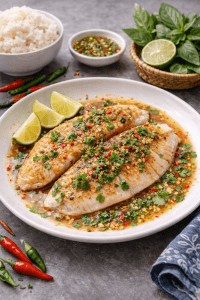
Fish-based menus can now take many forms, from simple grilled dishes to modern creations featuring sauces, vegetables, and more complex cooking techniques. For restaurants, hotels, and foodservice businesses, this variety creates opportunities to offer customers distinctive dining experiences.
However, a chef’s creativity does not depend on recipes alone. Behind every appealing dish are ingredients that must meet kitchen requirements, from quality and consistency to ease of preparation and reliable supply.
So, what should chefs actually consider when selecting seafood ingredients for menu development?
1. Consistent Quality from One Serving to the Next
One of the challenges in restaurant operations is maintaining consistent dish quality every time a meal is served. Customers expect relatively similar taste, texture, portion size, and presentation whenever they order their favorite dishes.
When it comes to fish ingredients, consistency can be evaluated through several aspects:
- Cut size and thickness, which affect cooking time and doneness.
- Meat texture, which should match the characteristics of the planned dish.
- Color and appearance, both before and after cooking.
- Product condition, including handling, storage, and compliance with agreed specifications.
Consistency does not mean every fish must be identical in every respect. What matters more is having clear product specifications so chefs can develop recipes and work procedures with measurable standards.
2. Flexibility for Various Menu Creations
Chefs need ingredients that support creativity without making kitchen operations unnecessarily complicated. In this regard, fish offers the flexibility to be prepared using a variety of techniques and flavor profiles.
For example, one type of fish can be developed into several menu items:
Pan-Seared Fish with Lemon Butter Sauce
Suitable for a modern-style main course that highlights the character of the fish, paired with vegetables and a carbohydrate source.
Grilled Fish with Sambal Matah
Combines modern cooking techniques with familiar local flavors that appeal to Indonesian customers.
Fish Bowl with Vegetables and Rice
Can be developed as a practical menu option with an ingredient composition that is easy to adjust to restaurant needs.
Fish Burger or Fish Sandwich
Uses fish cuts as the main protein in a more casual dining format.
This flexibility gives restaurants room to develop menus with different concepts. Nevertheless, the suitability of each product still depends on its cut, thickness, meat characteristics, and cooking technique.
3. Ease of Preparation and Kitchen Efficiency
In the foodservice business, preparation time is an important part of daily operations. When restaurants face peak hours, ingredients that match their workflow requirements can help kitchens manage production more effectively.
For this reason, chefs need to consider the form in which seafood products are delivered.
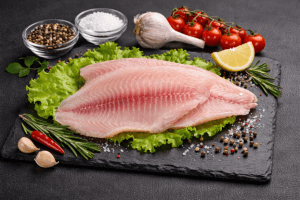
- Fillets can reduce the need to separate the meat from the main bones, although additional trimming may still be necessary.
- Loins can help with portion control when supplied according to suitable weight and thickness specifications.
- Whole fish can support whole-fish dishes but may require more preparation before cooking.
There is no single product format that is always the most efficient. The choice should be tailored to the menu concept, kitchen team’s skills, available equipment, and order volume.
4. Cooking Yield and Cost per Serving
Purchase price is not the only factor that determines ingredient efficiency. Chefs and procurement teams also need to understand how much of a product can actually be served after preparation and cooking.
Two concepts need to be distinguished:
- Usable yield: The portion of an ingredient that remains usable after processes such as trimming or removing unwanted parts.
- Cooking yield: The weight of a product after cooking compared with its weight before cooking, based on the measurement method used.
Both affect portion planning and ingredient costs. However, cooking yield is not the same as the percentage of meat obtained from a whole fish, because these measurements represent different stages of the process.
For example, appropriately sized loins can help kitchens plan portions more precisely. Meanwhile, when using whole fish, restaurants need to calculate the amount of usable meat obtained before comparing the cost per serving.
To obtain a more realistic picture, businesses should conduct trials using the preparation and cooking procedures actually implemented in their kitchens.
5. Reliable Supply to Keep Menu Items Available
An appealing menu can only become part of a business’s regular operations if its ingredients are available when needed. For restaurants, hotels, and catering businesses, supply disruptions can affect production planning, menu availability, and the customer experience.
When evaluating seafood suppliers, chefs and procurement teams can consider:
- Consistency of the specifications of delivered products.
- The ability to meet volume requirements and delivery schedules.
- Information about product storage conditions and handling.
- Product traceability and relevant documentation.
- Clear communication when availability changes.
Supply reliability is not simply about being able to deliver products. Suppliers also need to understand the required specifications so that delivered products meet the kitchen’s operational standards.
6. King Tilapia as an Option for Menu Development
For chefs looking to develop a variety of white fish dishes, King Tilapia from Regal Springs Indonesia can be considered based on menu requirements and available product specifications.
One product relevant to foodservice needs is King Tilapia Loins. According to the product standards, these loins have a minimum weight of 106 grams per piece and a minimum thickness of 19 mm.
These standards can help chefs plan serving sizes, select cooking methods, and establish preparation procedures. The product specifications also state a target cooking yield of more than 85% for fresh loins or frozen products handled correctly.
This figure represents a target in the product standards, not a guarantee that every kitchen will achieve identical results. Actual outcomes can still be affected by storage, thawing, handling, cooking techniques, and measurement methods.
By understanding these specifications, chefs can evaluate whether King Tilapia is suitable for dishes such as pan-seared fish, grilled fish, or other creations that require fish cuts with controlled dimensions.
Learn more about King Tilapia from Regal Springs Indonesia.
7. What Should Be Evaluated Before Choosing a Supplier?
Before deciding to use seafood ingredients for a new menu, chefs and procurement teams can conduct a straightforward evaluation through several steps:
- Define menu requirements. Identify the cooking technique, dish characteristics, and desired portion size.
- Establish product specifications. Determine the product format, weight, thickness, condition, and relevant quality requirements.
- Conduct kitchen trials. Evaluate taste, texture, appearance, cooking time, and final results.
- Calculate cost per serving. Include usable yield, cooking yield, and relevant preparation costs.
- Evaluate consistency and supply. Ensure the supplier can meet operational requirements based on clear agreements.
This process helps ensure that procurement decisions are based not only on price or an initial product sample, but also on suitability for everyday use.
Fish Menus Are Becoming More Diverse
As fish menus become more diverse, chefs’ requirements for seafood ingredients are also becoming more specific. Consistent quality, preparation flexibility, kitchen efficiency, cooking yield, and supply reliability are among the factors that need to be considered.
For restaurants and foodservice businesses, choosing the right ingredients means finding a balance between culinary creativity and operational needs.
King Tilapia from Regal Springs Indonesia can be one option to evaluate when developing modern fish menus. By understanding product specifications and testing them according to kitchen requirements, chefs can create appealing dishes while maintaining consistency in presentation.
After all, a good menu begins not only with a chef’s creative ideas, but also with ingredients that suit the dish’s objectives and the business’s standards.