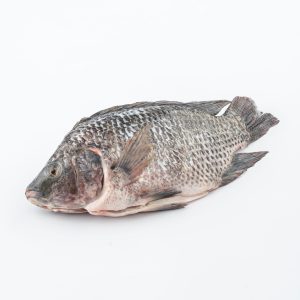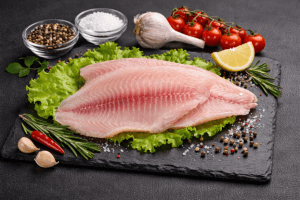
In the restaurant business, the size and thickness of fish fillets can affect more than just the appearance of a dish. Both play a role in cooking, final texture, portion consistency, and how chefs design their menus.
Thicker fillets can create opportunities to serve main courses with a more substantial appearance and appealing texture. However, greater thickness also requires adjustments to cooking techniques to ensure the outside cooks properly without leaving the inside too dry or undercooked.
For restaurants, hotels, and foodservice businesses, understanding these characteristics can help determine the ingredient specifications that best suit their kitchen needs.
1. A More Visually Appealing Dish
In modern menus, presentation is one of the elements that shape the dining experience. Fish cuts with sufficient thickness can stand out as the centerpiece of a dish, especially in main courses such as pan-seared fish, grilled fish, or baked fish.
Compared with very thin cuts, thicker fillets give chefs more room to showcase the shape of the fish on the plate.
Chefs can pair them with roasted vegetables, mashed potatoes, lemon butter sauce, or spice-based sambal to create dishes that align with the restaurant’s concept.
Nevertheless, thickness is not the only factor that determines a premium appearance. The shape of the cut, cooking precision, color, and plating composition also play important roles.
2. The Potential for an Appealing Texture
Fillet thickness affects how heat travels through the fish during cooking. With thicker cuts, both the exterior and interior need time to reach the appropriate level of doneness.
When cooked properly, chefs can achieve a browned surface while keeping the inside tender and preventing it from becoming too dry. This characteristic is particularly appealing for dishes that rely on the contrast between the fish’s exterior and interior textures.
Conversely, thick cuts cooked at excessively high temperatures or for the wrong amount of time risk becoming overcooked on the outside while the center has not yet reached the desired level of doneness.
For this reason, chefs need to adjust the temperature, cooking time, and method according to the fish’s actual thickness. Using a food thermometer and following appropriate doneness procedures can also help maintain consistent results.
3. Better Support for Main Course Standardization
When fish is served as a main course, portion consistency becomes an important part of restaurant operations.
Cuts with clearly defined weight and thickness specifications can help chefs develop recipes, determine cooking times, and organize plating more systematically.
Benefits include:
- Portion planning: The kitchen can determine how much fish to use for each serving.
- Cooking process standardization: Cuts with relatively uniform dimensions make it easier to adjust cooking times and techniques.
- Consistent presentation: Cut sizes help maintain the right proportions between the fish and the other components of the dish.
- Cost control: Ingredient costs per serving become easier to calculate when specifications are clearly defined.
However, equal thickness does not always mean equal cooking times. Weight, shape, initial product temperature, and the characteristics of kitchen equipment must also be taken into account.
4. Understanding Cooking Yield, Not Just Thickness
One factor restaurants should consider when selecting fillets is cooking yield, which is the ratio of a product’s weight after cooking to its weight before cooking, based on a specific measurement method.
Thickness can influence moisture loss during cooking, but it does not automatically guarantee a higher cooking yield. Actual results are also affected by raw material quality, storage conditions, thawing procedures for frozen products, cooking temperature, and cooking duration.
To obtain a more accurate picture, restaurants can conduct trials using their actual kitchen procedures.
For example, weigh the fish before cooking, prepare it using a predetermined method, and weigh it again after cooking. Testing should be conducted on several samples to obtain more representative results.
This approach ensures that purchasing decisions are based not only on the appearance of the cuts but also on the results achieved when the products are actually used.
5. The Right Thickness Opens Up More Cooking Options
Not every dish requires fillets of the same thickness. Product specifications should be selected according to the cooking technique and the characteristics of the intended dish.
Pan-Seared Fish
Cuts with sufficient thickness can help chefs develop a browned surface while controlling the doneness of the interior. Heat management and cooking time remain the key factors.
Grilled Fish
Cuts suited to the menu requirements can make it easier to manage cooking times on the grill. Chefs need to pay attention to the distance from the heat source to prevent the surface from cooking too quickly.
Oven-Baked Fish
Oven cooking can help control the cooking process, particularly when the kitchen prepares several portions at once. Relatively uniform cut sizes help with time planning, although doneness still needs to be checked.
Fish with Contemporary Indonesian Flavors
Fillets can be paired with grilled spice marinades, sambal matah, yellow spice paste, or spice-based sauces. Cut thickness should be matched to the cooking method and the characteristics of the seasoning to maintain a balanced final result.
With the right ingredient specifications, chefs have a stronger foundation for developing recipes while maintaining dish consistency.
6. What Should Be Considered When Choosing Thick Fillets?
Before determining fillet specifications for a restaurant, several factors should be evaluated.
- Cut weight and thickness. Ensure the dimensions match the target portion size and recipe requirements.
- Consistency between cuts. Differences in dimensions can affect cooking times and presentation.
- Ingredient condition. Pay attention to handling, storage, and thawing procedures when using frozen products.
- Cooking method. Choose specifications that suit the kitchen’s equipment and capacity.
- Final results and costs. Evaluate texture, appearance, cooking yield, and ingredient costs per serving through practical trials.
These considerations help restaurants avoid selecting ingredients based solely on size or visual appeal.
7. King Tilapia Loins for Foodservice Needs
For restaurants that require fish cuts with defined specifications, King Tilapia from Regal Springs Indonesia can be considered based on menu requirements and product availability.
One relevant specification is King Tilapia Loins, with a minimum weight of 106 grams per piece and a minimum thickness of 19 mm, according to the product standards.
This thickness can serve as a reference for chefs who want to develop fish-based main courses with more standardized cut sizes.
The product standards also specify a target cooking yield of more than 85% for fresh loins or frozen products handled correctly. This figure is a target based on the product standards, not a guarantee that every restaurant will achieve the same results. Cooking techniques, storage, thawing, and handling still influence actual outcomes.
It is important to note that these specifications apply to King Tilapia Loins and do not guarantee that all fillet formats have the same dimensions and thickness.
To determine the most suitable product, chefs and procurement teams can match these specifications with recipe requirements, portion standards, and kitchen operating procedures.
Learn more through the King Tilapia page from Regal Springs Indonesia.
Thicker Fillets, More Benefits
Thicker fillets can offer several benefits for restaurants, from creating a more visually appealing dish to providing opportunities for an interesting texture. Cuts with clearly defined specifications can also help standardize portions and improve cooking process planning.
However, thickness is not the only indicator of quality. Weight, cut consistency, ingredient condition, cooking techniques, and cooking yield still need to be evaluated together.
For chefs and foodservice professionals, choosing the right fish specifications means matching the ingredients to the dish’s requirements and the kitchen’s operational capabilities.
With proper planning, fillets or loins with suitable thickness can provide a foundation for developing fish menus that are consistent, appealing, and relevant to customers.