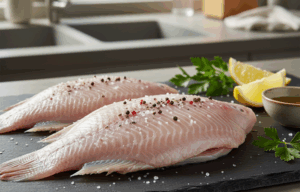
In the restaurant business, ingredient size can influence how a dish is designed and presented. For fish, body size is one of the factors associated with the size of the fillets that can be produced, although the final result also depends on body shape, cutting methods, and product specifications.
For chefs and procurement teams, choosing fish of the right size can create opportunities to develop menus with more controlled portions, attractive presentations, and consistent serving standards.
But does a bigger fish always mean greater benefits for restaurants? The answer depends on menu requirements, processing yields, and how the business calculates its ingredient costs.
1. From Fish Size to Fillet Size
Whole fish size and fillet size are two different things. A larger fish has the potential to produce larger cuts of meat, but the final result is not determined by fish weight alone.
Several factors influence fillet size, including:
- Fish weight and body shape, which affect the amount of meat available.
- Cutting methods, including how the meat is separated from the bones and other parts.
- Product specifications, such as minimum size, cut shape, and trimming requirements.
- Processing standards, which determine which parts can be used in the final product.
For this reason, restaurants should not ask suppliers only about whole fish weight. If the primary requirement is fillets for individual menu portions, the specifications of the fillets delivered to the kitchen provide more direct information for portion planning.
2. Larger Fillets Create More Options for Main Courses
Fillet size can influence how chefs design their dishes. Larger cuts allow for different presentation approaches, provided their shape and dimensions meet the recipe requirements.
For example, fillets can be prepared as:
Grilled Fish as a Main Course
The fillet is served as the main component alongside grilled vegetables, potatoes, or rice with selected seasonings. The cut size needs to match the target portion and cooking time.
Pan-Seared Fish with a Signature Restaurant Sauce
The fish becomes the centerpiece of the dish, complemented by lemon butter sauce, herb sauce, or sauces made with local ingredients.
Fish Platters for Sharing
Several fillet portions can be arranged on a single platter for sharing, with the quantity and size adjusted to the restaurant’s concept.
Fish Dishes with Indonesian Flavors
Fillets can be paired with sambal matah, yellow spice paste, grilled spices, or basil sauce to create modern interpretations of familiar flavors.
However, larger fillets are not automatically suitable for every menu. Dishes such as fish burgers or fish sandwiches, for example, may require cuts with dimensions that fit the bread and other ingredients.
3. Fillet Size and Portion Consistency
One of the challenges in restaurant operations is ensuring that every serving meets established standards.
If fillet sizes vary significantly, the kitchen may need to perform additional cutting or adjust the amount of raw material used for each portion. This can affect preparation time and presentation consistency.
Fillets with clearly defined specifications help chefs and kitchen teams:
- Determine the weight of fish used per serving.
- Develop recipes with measurable ingredient quantities.
- Adjust cooking times based on cut thickness and dimensions.
- Maintain the proportions of fish, sauce, and accompanying ingredients.
- Estimate stock requirements based on target serving volumes.
In practice, restaurants do not always need the largest fillets available. What matters more is selecting sizes that match menu standards and ensuring consistent product specifications.
4. Are Larger Fillets Always More Efficient?
Larger sizes can provide greater flexibility in presentation, but they do not automatically result in lower costs per portion.
Ingredient efficiency needs to be assessed based on the amount of usable meat, cutting requirements, cooking yield, and the number of portions produced.
For example, a large fillet can be divided into several portions if its dimensions are suitable. However, cutting may produce pieces that do not meet serving standards or require additional handling.
Conversely, fillets that are already available in sizes close to the target portion can help reduce preparation work, even if their purchase price per kilogram is not necessarily lower.
To evaluate efficiency more accurately, restaurants need to consider:
- Raw material purchase price.
- Usable product weight.
- Cutting and trimming requirements.
- Cooking yield after processing.
- The number of portions that can actually be served.
With this approach, purchasing decisions can be based on cost per serving rather than fish size or price per kilogram alone.
5. Thickness Matters Too, Not Just Fillet Length
A longer or heavier fillet is not necessarily thicker. Yet thickness is one of the important factors affecting the cooking process.
Thicker cuts generally require different cooking times to reach the desired doneness compared with thinner cuts. Therefore, chefs need to consider weight, length, and thickness together when determining raw material specifications.
For pan-seared or grilled fish dishes, suitable cut dimensions can help chefs control surface browning and the doneness of the interior.
Meanwhile, for dishes that require smaller pieces, larger fillets can still be used if the cutting process and portion standardization meet the kitchen’s requirements.
This means fillet specifications should be designed around the desired dish outcome rather than simply aiming for the largest size.
6. King Tilapia: Understanding Specifications for Restaurant Needs
For foodservice businesses that require clearly defined raw material standards, King Tilapia from Regal Springs Indonesia can be considered based on menu requirements and available product specifications.
The King Tilapia product standards include several relevant size references:
- King Tilapia Whole Round: Minimum target weight of 2.65 lb, or approximately 1.2 kg per fish.
- King Tilapia Fillet: Minimum size standard of 5 oz, or approximately 142 grams.
- King Tilapia Loins: Minimum weight of 3.8 oz, or approximately 106 grams per piece, with a minimum thickness of 19 mm.
These specifications apply to their respective product categories. Whole fish weight cannot be directly converted into fillet weight because processing yield depends on body shape, cutting methods, and which parts are utilized.
For chefs, fillet and loin standards can serve as references when designing portions and selecting cooking techniques. For procurement teams, this information helps establish purchasing specifications based on restaurant operating requirements.
Learn more about King Tilapia from Regal Springs Indonesia.
7. How to Determine the Right Fillet Size
Before selecting a product, chefs and procurement teams can start with a few simple questions.
What is the dish concept? Determine whether the fish will be served as an individual main course, a sharing dish, or one component of a more complex meal.
What is the target portion weight? Portion standards help determine whether the restaurant needs fillets in specific sizes or cuts that can be adjusted in the kitchen.
What cooking method will be used? Pan-searing, grilling, and oven-baking may require different cut sizes and thicknesses.
What is the acceptable cost per portion? Calculate the usable yield after cutting and cooking to make comparisons between products more relevant.
Can the supplier consistently meet the specifications? Ensure that weight, thickness, product condition, and delivery requirements are clearly communicated.
By considering these factors, restaurants can select fillet sizes that support culinary creativity while meeting operational needs.
Choose the Right Fillet Size
Larger fish can create opportunities to produce larger fillets, but the benefits for restaurants depend on actual menu requirements and processing results.
Fillets of suitable sizes can support main course development, provide flexibility in presentation, and help standardize portions. However, size alone is not an indicator of efficiency. Thickness, cutting yield, cooking yield, and cost per serving still need to be considered.
For restaurants and foodservice businesses, the best approach is to define dish requirements first and then select raw material specifications that support them.
With clearly defined product standards, King Tilapia can be one option for developing consistent fish menus that suit the needs and identity of your food business.