A few years ago, many people chose food based on one simple principle: affordability and filling.
But today, consumer mindsets are changing.
Amidst the rise of trends like quiet luxury, mindful living, and the wellness lifestyle, more and more people are starting to prioritize quality over quantity, including when it comes to everyday food.
Modern consumers now ask more than just: “How much does it cost?”
But also:
- How is this food produced?
- Is the quality truly good?
- Is it safe for regular consumption?
- Is it compatible with a healthy lifestyle?
- And does this product provide long-term value?
This shift in perspective is making food quality increasingly important.
What is Quiet Luxury?
The quiet luxury trend initially gained popularity in the fashion and lifestyle world.
This concept describes a lifestyle that is:
- less excessive,
- more subtly elegant,
- focused on quality,
- craftsmanship,
- and value rather than mere logos or gimmicks.
According to SCAD’s The Future of Quiet Luxury report, modern consumers are starting to avoid flashy consumption and are increasingly valuing products that are:
- authentic,
- timeless,
- high-quality,
- and made to high standards.
Interestingly, this mindset is now starting to spread to the food world.
Consumers Are Starting to Choose “Better Food,” Not Just “More Food.”
In modern consumption patterns, food is starting to be viewed as part of a quality lifestyle.
Therefore, many people are starting to choose:
- cleaner ingredients,
- more transparent production processes,
- and products with more consistent quality.
This phenomenon is particularly evident in the trends in premium food and mindful eating. People are now willing to pay a little more for food that:
- feels safer,
- is more nutritious,
- is more sustainable,
- and is more comfortable to consume in the long term.
It’s not just about price or price, but about value.
Mindful Living Makes People More Aware of What They Consume
Besides quiet luxury, the mindful living trend is also influencing the way people choose food. Mindful living itself is a more conscious and intentional approach to daily activities, including eating.
According to EMC Healthcare in an article on mindful living, mindful living helps a person become more aware of decisions that affect physical and mental health.
In the context of food, this means consumers are starting to pay more attention to:
- nutritional content,
- ingredient quality,
- food safety,
- and long-term impacts on the body.
Therefore, modern consumers now tend to choose foods that are:
- more natural,
- less processed,
- and taste cleaner.
Daily Protein Is Now Judged by Its Quality
This change is also evident in the way people choose protein sources. Previously, the main focus was simply:
- high in protein,
- affordable,
- and filling.
Now, consumers are looking for protein that is:
- lean,
- easily digestible,
- not too high in fat,
- practical,
- and has clear production quality.
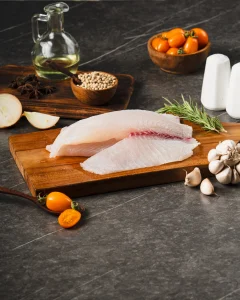
In Regal Springs Indonesia’s food science materials, tilapia is described as a high-quality protein source with:
- low fat content,
- essential vitamins and minerals,
- and a mild, easily accepted flavor.
Furthermore, Regal Springs’ Naturally Better Tilapia is produced:
- without antibiotics,
- without preservatives,
- without growth hormones,
- and responsibly farmed in natural lakes.
For modern consumers, factors like these are increasingly important, as food quality is now considered a long-term health investment.
Modern Consumers No Longer Believe Gimmicks
Interestingly, consumers are now increasingly critical of food branding. They are starting to look for:
- transparency,
- traceability,
- certification,
- and tangible proof of quality.
In their World Tilapia Conference presentation abstract, Regal Springs explained that global consumers are increasingly seeking seafood that is:
- safe,
- traceable,
- and responsibly produced.
This means that consumers are no longer just buying products, but also buying trust.
Therefore, the quality of farming, product origin, and production systems are becoming increasingly important in the modern food industry.
Wellness and Premium Food Are Now Interconnected
Research on mindful consumption also shows that modern consumers are increasingly linking wellness with the quality of their daily consumption.
Food is no longer just “fuel.”
It is part of:
- self-care,
- lifestyle,
- and long-term well-being.
Therefore, modern premium food is not always synonymous with excessive luxury. Instead, what is sought is:
- consistent quality,
- clean taste,
- good nutrition,
- and responsible production processes.
This explains why premium white fish, lean protein, and sustainable seafood are gaining popularity in the global market.
Quiet Luxury in the Food World
Translated to the food world, quiet luxury is actually quite simple:
- good ingredients,
- consistent quality,
- clean flavors,
- without excessive gimmicks,
- but providing a comfortable and reliable consumption experience.
And that’s why many modern consumers are starting to care more about:
- food origin,
- protein quality,
- farming methods,
- and food safety.
Because today, food is no longer just about satiety. It’s about how one wants to live.
Conscious and Quality Consumption
The trends of quiet luxury and mindful living show that modern consumers are moving towards a more conscious and quality consumption pattern.
They are now looking for more than just delicious or affordable food.
But food that is:
- nutritious,
- clean,
- transparent,
- sustainable,
- and truly provides value for long-term health.
- And amidst this shift, food quality is slowly becoming an essential part of the modern lifestyle itself.