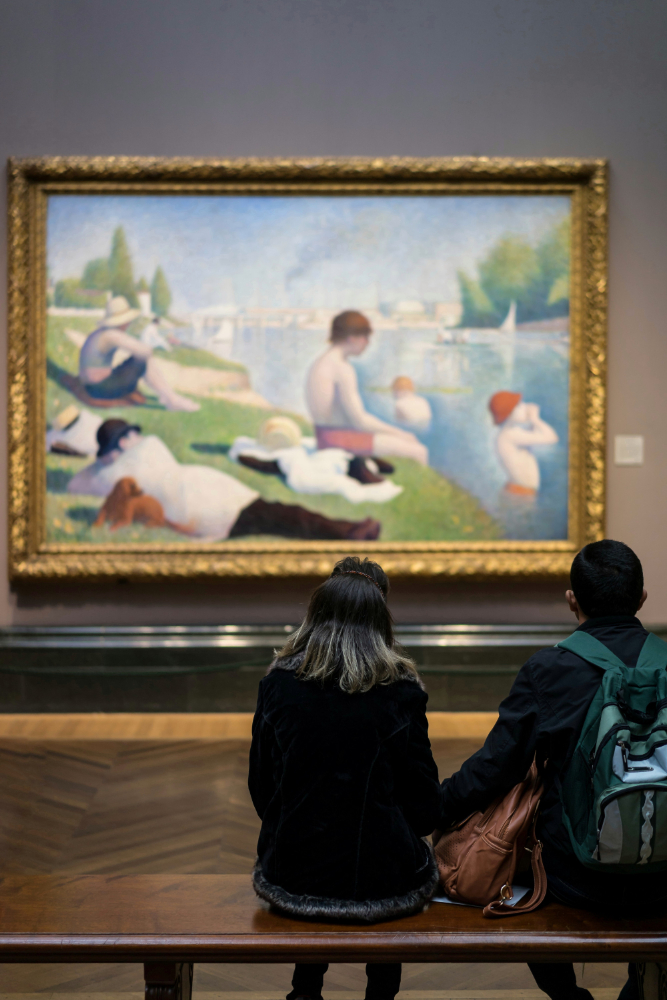
Recently, museum dates and visits to art exhibitions have become increasingly popular activities, especially among young people. In addition to being a place to enjoy works of art and broaden one’s horizons, museums also offer a calm, aesthetically pleasing atmosphere that’s perfect for spending time with a partner, friends, or family.
Although they may seem casual, these activities often involve walking for hours on end. Moving from one gallery to another, standing to admire art installations, and visiting multiple locations in a single day certainly requires a fair amount of stamina.
To ensure your museum-hopping experience remains enjoyable until the very end, here are a few tips you can follow.
1. Eat Before Entering the Museum
When planning a museum date, many people focus more on choosing what to wear or mapping out their itinerary than on preparing their bodies.
In fact, visiting a museum or art exhibition can take anywhere from two to five hours—or even longer if you’re visiting multiple locations at once.
Before you leave, make sure your body gets the energy it needs from a balanced meal consisting of carbohydrates, protein, and vegetables or fruit. This combination helps provide a more steady supply of energy so you can enjoy every room without getting tired or hungry too quickly.
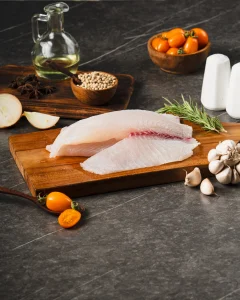
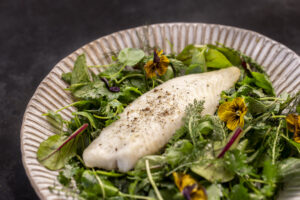
If you’d like to pack a meal or eat at home before heading out, you can try various tilapia-based recipes from Regal Springs Indonesia’s collection at: https://regalsprings.co.id/en/resep-tilapia/.
2. Wear Comfortable Footwear
Many visitors choose shoes based on appearance to match the museum’s aesthetic atmosphere. However, comfort should remain a priority.
While exploring, you might end up walking several kilometers without even realizing it. Wearing comfortable shoes can help reduce pressure on the soles of your feet, knees, and back, so your body still feels light even after hours of activity.
If possible, choose clothing that also allows for freedom of movement to make your exploration experience even more comfortable.
3. Stay Hydrated
Being in an air-conditioned room often makes you less aware of your thirst. As a result, many people forget to drink water while they’re active.
However, your body still needs fluids to maintain various important functions, including helping you stay focused and reducing fatigue.
Get into the habit of bringing a water bottle if permitted by the event organizers, or take a moment to buy water during breaks at cafes or in waiting areas.
4. Meet Your Protein Needs Before or After Your Visit
Walking and standing for long periods of time cause the body to continue using energy, even though these activities may not feel as strenuous as exercise.
Including protein as part of a balanced diet helps meet your daily nutritional needs. One practical option is tilapia fillet.
According to the latest laboratory test results, every 100 grams of tilapia contains 19.52 grams of protein, 2.03 grams of fat, and approximately 105.79 kcal of energy. Tilapia also contains vitamin D and potassium, which can be part of a nutritionally balanced diet.
A simple meal like grilled tilapia fillets with rice and vegetables can be a great choice before starting your activities or after exploring the museum.
5. Take Time to Rest
There’s no need to rush through the entire collection in a short amount of time.
Taking a few minutes to sit down in the designated seating areas can help relieve tired legs. Use that time to soak in the atmosphere, discuss the artworks you’ve just seen, or simply enjoy a drink.
In addition to making you more comfortable, taking a break also makes your museum visit feel more relaxed and enjoyable.
6. Get Enough Sleep Before Your Visit
Many people choose the weekend as the time to visit museums or art exhibitions. However, if you stayed up late the night before, your body will run out of energy more quickly while walking around.
Getting enough sleep helps your body stay refreshed so you can enjoy every corner of the exhibition with better concentration.
Choose High-Quality Protein Sources
In addition to considering nutritional content, the quality of food ingredients is also important.
Regal Springs Indonesia responsibly farms tilapia in natural lakes without the use of antibiotics or preservatives. The farming process prioritizes quality, traceability, and sustainable practices, resulting in high-quality “Naturally Better Tilapia” for your family.
If you’d like to learn more about Regal Springs Indonesia’s farming process and commitment to producing high-quality tilapia, visit: https://regalsprings.co.id/tilapia-kami/.
Enjoy Every Experience with a Healthy Body
Museums and art exhibitions invite us to enjoy experiences that break away from our daily routines. To ensure these activities remain enjoyable from start to finish, don’t just prepare your camera or outfit make sure your body is in top shape, too.
With a nutritious diet, adequate hydration, comfortable footwear, sufficient rest, and enough protein, you can explore every gallery with greater comfort, focus, and enthusiasm.