
Semester exam periods are often the most challenging times for both high school and college students. There’s more material to cover, time seems to be running out, and many choose to study late into the night to meet their goals.
However, studying longer doesn’t necessarily lead to better results. For the brain to absorb information optimally, the body also needs to be in top condition. Maintaining a healthy diet, getting enough rest, and following good study habits can help you stay focused while preparing for exams.
Here are some strategies you can try.
1. Don’t Study on an Empty Stomach
Many people get so absorbed in studying that they forget to eat. In reality, the brain needs energy to perform various functions, including concentrating and retaining information.
Before you start studying, try to eat a balanced meal consisting of carbohydrates, protein, and vegetables or fruit. Carbohydrates help provide energy, while protein helps you feel full longer so you can study more comfortably.
If you need some practical meal ideas before studying, Regal Springs Indonesia offers a variety of tilapia recipe inspirations that you can check out at: https://regalsprings.co.id/en/resep-tilapia/.
2. Study Gradually; Don’t Try to Cover Everything at Once
One common mistake people make before exams is trying to study all the material at once (cramming).
This approach can actually cause your brain to tire more quickly. It’s better to break the material down into smaller sections, interspersed with short breaks every 50–60 minutes to maintain your concentration.
Studying consistently over several days is usually more effective than forcing yourself to study all night.
3. Stay Hydrated
While studying, many people don’t realize they’re thirsty until they’ve been sitting in front of a book or laptop for hours.
In reality, your body still needs fluids to perform various important functions. Get into the habit of keeping a glass of water on your study desk so you don’t forget to drink while studying.
This simple habit also helps you avoid having to leave your study desk too often just to get a drink.
4. Supplement Your Diet with High-Quality Protein
Studying may not be a strenuous physical activity, but the brain still needs nutritional support as part of a balanced diet.
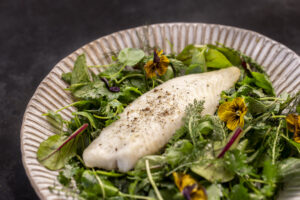
One excellent source of protein is tilapia fillet. According to the latest laboratory test results, every 100 grams of tilapia contains 19.52 grams of protein, 2.03 grams of fat, and approximately 105.79 kcal of energy. Tilapia also contains vitamin D and potassium, which can contribute to a nutritionally balanced diet.
A simple meal like grilled tilapia fillet with rice and vegetables can be a great option for lunch or dinner during exam season.
5. Avoid Excessive Caffeine Intake
Coffee and other caffeinated beverages are often go-to study companions, especially when you have a lot of material to cover.
However, relying too heavily on caffeine isn’t always the solution. Excessive consumption can disrupt sleep, and the quality of your rest significantly affects your body’s ability to refocus the next day.
If you drink coffee, do so in moderation and continue to prioritize water as your primary source of hydration.
6. Get Enough Sleep Before Exam Day
Pulling an all-nighter to study is often seen as a shortcut. In reality, lack of sleep can make your body tire more quickly and reduce your ability to concentrate.
Aim to get 7–9 hours of sleep the night before the exam. A well-rested body and brain will be better prepared to tackle various questions than if you study until the early hours of the morning without enough sleep.
Choose High-Quality Food
In addition to paying attention to nutritional content, the quality of food is also important for supporting your daily diet.
Regal Springs Indonesia responsibly farms tilapia in natural lakes without the use of antibiotics or preservatives. The farming process prioritizes quality, traceability, and sustainable practices, resulting in high-quality Naturally Better Tilapia.
To learn more about Naturally Better Tilapia products and their nutritional information, visit: https://regalsprings.co.id/tilapia-kami/produk-utama/.
More Effective Learning Starts with a Well-Prepared Body
Success on exams isn’t just determined by how long you study, but also by your physical condition when absorbing information.
By maintaining a balanced diet, staying properly hydrated, managing your study schedule, getting enough rest, and choosing high-quality protein sources, you can study with greater focus and maintain your energy throughout the exam period.