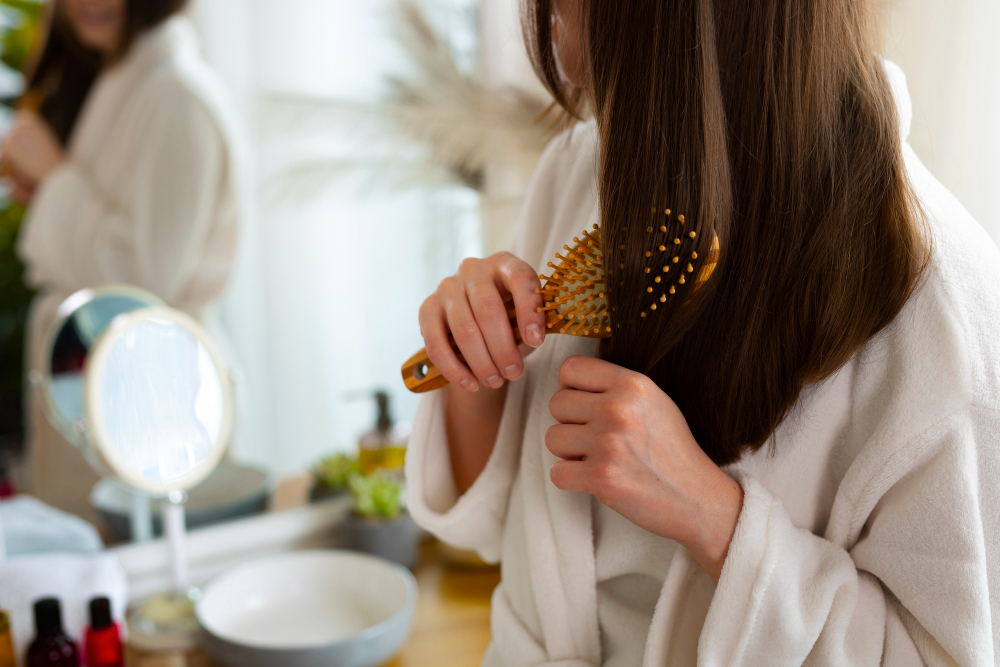
In recent years, the hair care trend has continued to grow. From hair serums and scalp treatments to various premium hair care products, demand has been on the rise. However, many people forget that healthy hair isn’t just maintained from the outside—it’s also influenced by the nutrients we consume every day.
Just like the skin, hair requires adequate nutrition to grow strong, look healthy, and resist breakage. So, what nutrients does hair actually need?
1. Protein: The Primary Building Block of Hair
Did you know that about 95% of hair’s structure is made up of a protein called keratin? That’s why a protein deficiency can make hair more brittle, prone to breakage, and even increase the risk of hair loss.
Make sure your daily protein needs are met through various sources such as fish, eggs, lean meat, nuts, and dairy products.
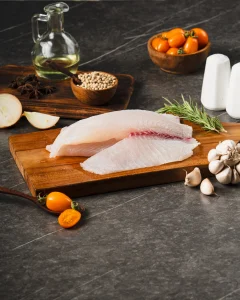
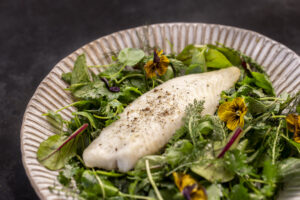
One practical option is tilapia fillet. According to the latest laboratory test results, every 100 grams of tilapia contains 19.52 grams of protein, 2.03 grams of fat, and only about 105.79 kcal of energy. These nutritional values make tilapia an excellent protein source to complement a healthy daily diet.
If you’d like to learn more about the farming methods and quality of Regal Springs Indonesia’s tilapia, visit: https://regalsprings.co.id/tilapia-kami/.
2. Vitamin D as Part of a Balanced Diet
Vitamin D is known to play an important role in maintaining bone health and supporting various bodily functions. Some studies also suggest that vitamin D is linked to the hair follicle growth cycle, although hair health is influenced by many other factors.
In addition to being obtained from sun exposure, vitamin D can also come from food. Based on laboratory test results, tilapia contains 4.33 mcg of vitamin D3 per 100 grams, making it a potential source of vitamin D in your daily diet.
3. Potassium Supports Various Bodily Functions
In addition to protein, the body also needs various minerals to carry out daily activities.
One of these is potassium, which plays a role in maintaining nerve function, muscle contraction, and fluid balance in the body. Tilapia contains 261.14 mg of potassium per 100 grams, making it a valuable component of daily mineral intake as part of a balanced diet.
4. Don’t Forget a Balanced Diet
No single food can meet all of the body’s nutritional needs.
Therefore, hair health should be supported by a varied diet consisting of protein sources, vegetables, fruits, whole grains, and adequate daily fluid intake. This habit helps ensure the body receives the various nutrients needed to support optimal cell regeneration.
In addition to paying attention to your diet, getting enough sleep, managing stress, and exercising regularly are also important for maintaining hair health from the inside.
External Care Is Still Important, but Don’t Forget Nutrition
Shampoo, conditioner, hair serum, and scalp treatments still play a role in maintaining the cleanliness and health of your hair.
However, the best results are usually achieved when external care is combined with a nutritious diet, adequate rest, and a healthy lifestyle. Consuming foods rich in protein and various essential nutrients every day helps provide the “building blocks” the body needs to build healthy hair from the inside out.
Choose High-Quality Protein Sources
In addition to considering nutritional content, the quality of food ingredients is equally important.
Regal Springs Indonesia responsibly farms tilapia in natural lakes without the use of antibiotics or preservatives. The resulting tilapia fillets have a clean taste, are free of muddy odors, and are easy to prepare into a variety of dishes for the family.
If you’d like to learn more about nutritional information, product sizes, and available fillet options, visit: https://regalsprings.co.id/tilapia-kami/produk-utama/.
Healthy Hair Starts with a Healthy Diet
Having strong, healthy hair isn’t just about choosing the right hair care products. Adequate nutrition also plays a vital role in supporting hair health from the inside out.
By meeting your needs for protein, vitamin D, potassium, and various other nutrients through a balanced diet, you not only help maintain healthy hair but also support your overall health. External hair care will yield optimal results when supported by consistent healthy lifestyle habits.